Call Us Today! (203) 975-9600
SAME DAY APPOINTMENTS AVAILABLE
Call Us Today! (203) 975-9600
SAME DAY APPOINTMENTS AVAILABLE

Runners frequently develop toenail injuries from repeated pressure inside their shoes. Long-distance running, steep hills, and shoes that are too tight can cause the toenails to strike the front of the shoe again and again. This repeated stress can lead to black toenails, bruising under the nail, and painful swelling around the nail. Some runners also lose a toenail after a race. Cracked nails and torn skin near the nail can develop after trail running on uneven ground. These injuries can make running painful and increase the risk of infection. A podiatrist can examine the nail, relieve pressure under the nail, and treat damaged skin or infection. Custom orthotics and proper shoe recommendations can also help reduce repeated trauma to the toes while running. Early treatment can help protect the nail and prevent long-term nail changes. If you have developed toenail problems as a result of running, it is suggested that you make an appointment with a podiatrist for treatment.
All runners should take extra precaution when trying to avoid injury. If you have any concerns about your feet, contact one of our podiatrists of Preferred Footcare, LLC. Our doctors will treat your foot and ankle needs.
How to Prevent Running Injuries
There are a lot of mistakes a runner can make prior to a workout that can induce injury. A lot of athletes tend to overstretch before running, instead of saving those workouts for a post-run routine. Deep lunges and hand-to-toe hamstring pulls should be performed after a workout instead of during a warmup. Another common mistake is jumping into an intense routine before your body is physically prepared for it. You should try to ease your way into long-distance running instead of forcing yourself to rush into it.
More Tips for Preventing Injury
If you have any questions, please feel free to contact our office located in Stamford, CT . We offer the newest diagnostic and treatment technologies for all your foot care needs.
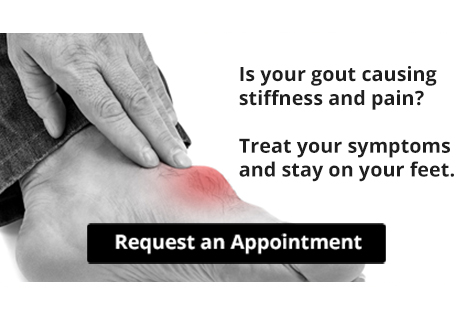
Gout is a painful, inflammatory form of arthritis. Those affected will typically feel an intense stiffness in the joints of their feet, particularly in the big toe. Schedule a visit to learn about how gout can be managed and treated.
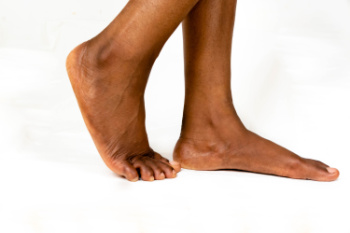
Flat feet occur when the arches on the inside of the feet are low or missing, causing the entire sole to touch the ground while standing. Flexible flat feet occur when arches appear while sitting, but flatten while standing. This is most common among children. Flat feet may develop in adults because of injuries, arthritis, or weakened tendons that support the arch. Tightness in the Achilles tendon, which connects the calf muscle to the heel, can affect the arch by placing extra strain on the foot. Flat feet can cause heel pain, ankle pain, tired legs, and discomfort while walking or standing for a long time. A podiatrist can examine the feet and check how a person walks in order to recommend treatment options. These options include custom orthotics, supportive footwear, or stretching exercises. If you have foot pain from having flat feet, it is suggested that you schedule an appointment with a podiatrist for effective relief and management tips.
Flatfoot is a condition many people suffer from. If you have flat feet, contact one of our podiatrists from Preferred Footcare, LLC. Our doctors will treat your foot and ankle needs.
What Are Flat Feet?
Flatfoot is a condition in which the arch of the foot is depressed and the sole of the foot is almost completely in contact with the ground. About 20-30% of the population generally has flat feet because their arches never formed during growth.
Conditions & Problems:
Having flat feet makes it difficult to run or walk because of the stress placed on the ankles.
Alignment – The general alignment of your legs can be disrupted, because the ankles move inward which can cause major discomfort.
Knees – If you have complications with your knees, flat feet can be a contributor to arthritis in that area.
Symptoms
Treatment
If you are experiencing pain and stress on the foot you may weaken the posterior tibial tendon, which runs around the inside of the ankle.
If you have any questions, please feel free to contact our office located in Stamford, CT . We offer the newest diagnostic and treatment technologies for all your foot care needs.
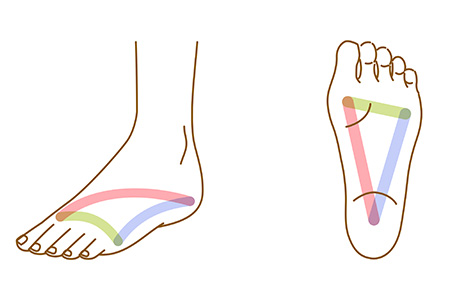
The arches of the foot play an important role in how people stand, walk, and move. Each foot has three arches that include a high inner arch, a lower outer arch, and a cross-arch near the ball of the foot. These structures are supported by strong tissues that help hold the foot together. The arches work like springs, helping to absorb shock and spread body weight with each step. They also help the foot stay flexible, which allows smooth movement while walking and running. When the arches do not function properly, too much stress can be placed on certain areas of the foot. This can lead to pain, poor balance, or changes in walking patterns. A podiatrist can examine foot structure, assess how the arches function, and order imaging tests to confirm a diagnosis. Treatment options include custom orthotics, bracing, or other methods to improve support and alignment. If you have arch pain, it is suggested that you schedule an appointment with a podiatrist for a diagnosis and appropriate treatment.
If you have any concerns about your feet, contact one of our podiatrists from Preferred Footcare, LLC. Our doctors can provide the care you need to keep you pain-free and on your feet.
Biomechanics in Podiatry
Podiatric biomechanics is a particular sector of specialty podiatry with licensed practitioners who are trained to diagnose and treat conditions affecting the foot, ankle and lower leg. Biomechanics deals with the forces that act against the body, causing an interference with the biological structures. It focuses on the movement of the ankle, the foot and the forces that interact with them.
A History of Biomechanics
Modern technological improvements are based on past theories and therapeutic processes that provide a better understanding of podiatric concepts for biomechanics. Computers can provide accurate information about the forces and patterns of the feet and lower legs.
Understanding biomechanics of the feet can help improve and eliminate pain, stopping further stress to the foot.
If you have any questions please feel free to contact our office located in Stamford, CT . We offer the newest diagnostic and treatment technologies for all your foot and ankle needs.
Call Us Today! (203) 975-9600
SAME DAY APPOINTMENTS AVAILABLE